

so, to see the latest details, it is important to refresh your browser when viewing this page
Entrance Charge £2.00 (cash only please)



16th September 2026 -


21st October 2026 -
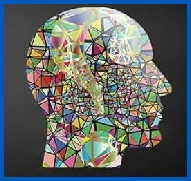
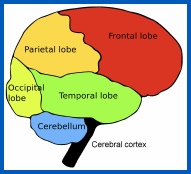
The Secrets of the Human Brain
Dr Bob Pullen shines a spotlight on the human brain, which is so central to what
we humans are. He explains how our brains are made up of nerve cells or neurons,
which behave rather like batteries producing a small voltage which becomes the language
of the nervous system. Our neurons can also behave like computer-
Bob explains how different parts of the human brain perform different tasks, some
areas performing movement, others giving us our five senses and then looks at the
physical division of the brain into left and right cerebral hemispheres and describes
how these differ between men and women -
Remarkable modern methods of examination such as measuring brain waves and magnetic
resonance imaging are explained. The brain is more than a normal organ: It governs
how we think and makes us self-
18th November 2026 -
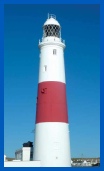
Developments in Marine Navigation
[Awaiting details]
9th December 2026 -
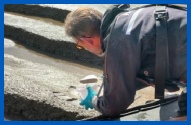
Environmental Impacts on Water Quality
[Awaiting details]
19th August 2026 -
Royal Naval Cordite Factory & Cordite Way
Our pre-
Following our visit to the RNCF site we will then walk about half a mile to the new Cordite Way footpath which follows the track of the steam railway line from the old Cordite Factory down to Rockley Jetty where the propellant was loaded onto barges.
Unfortunately back in 2022 British Rail removed the bridge which passed over the main line, so the Cordite Way stops here where there are wonderful views over Poole Harbour.